





Cyberbullying can affect any child, and as a parent or caregiver, your awareness is one of the strongest protections. From staying aware of inappropriate digital behavior to setting healthy boundaries, there are simple steps all adults can take to reduce risk and help keep kids safe while online.
What is Cyberbullying?
Cyberbullying includes any bullying that takes place over digital devices like phones, gaming platforms, computers, and tablets. But, in the online world, bullying can look different from what may be expected in person. Some of the most common cyberbullying tactics can include:
- Creating or sharing hurtful or embarrassing content about someone online.
- Threatening to hurt someone or telling them to harm themselves.
- Creating fake profiles pretending to be someone else to solicit personal information about another person.
- Posting mean or hateful names, comments, or content.
Tips to Keep Kids Safe Online
You may not be able to monitor all of your child’s online activity, but there are steps you can take to stay aware of kids’ digital behavior and prevent cyberbullying:
- Talk with your child openly about online risks like cyberbullying and what to do if they see something that’s not okay.
- Follow or friend your kid on social media sites or have another trusted adult do so.
- Limit screen time. You can set screen time restrictions on kids’ phones through apps and phone settings, or set clear boundaries like making certain places “unplugged zones.”
- Consider if monitoring apps could be right for your family. Certain digital apps allow parents to manage screen time, block inappropriate websites, and monitor content. Monitoring apps can be useful, but pairing them with open conversations is important to ensure mutual trust.
- Review or reset your child’s phone location and privacy settings.
- Stay up-to-date on the latest apps, social media, artificial intelligence (AI), AI companions, and gaming platforms kids are using.
- Know your child’s usernames and passwords for social media and gaming platforms.
- Check your child’s social media privacy and security settings.
- Establish rules about appropriate online behavior, what content is okay to share, and apps kids should or should not use.
- Know how to report cyberbullying if it occurs.
Remember, trust is key to making sure kids feel safe and comfortable coming to you with problems like cyberbullying. Involve kids in discussions about internet and social media use, and help them understand why online safety is so important. By checking in often and honestly, you can help prevent cyberbullying and protect your kids.
-
How to Prevent Cyberbullying
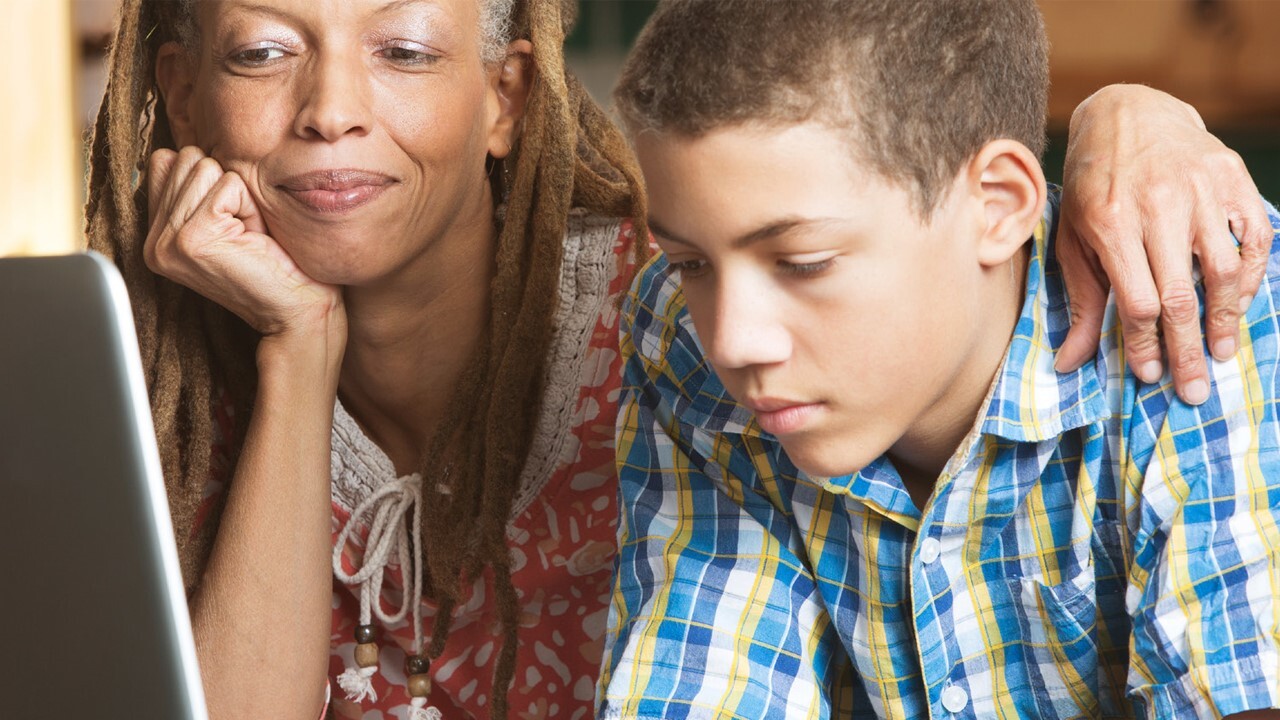
This guide helps parents and caregivers understand cyberbullying, recognize the signs, and take steps to address concerns and help kids involved in cyberbullying. Download the full guide to stay prepared to keep your kids safe.